
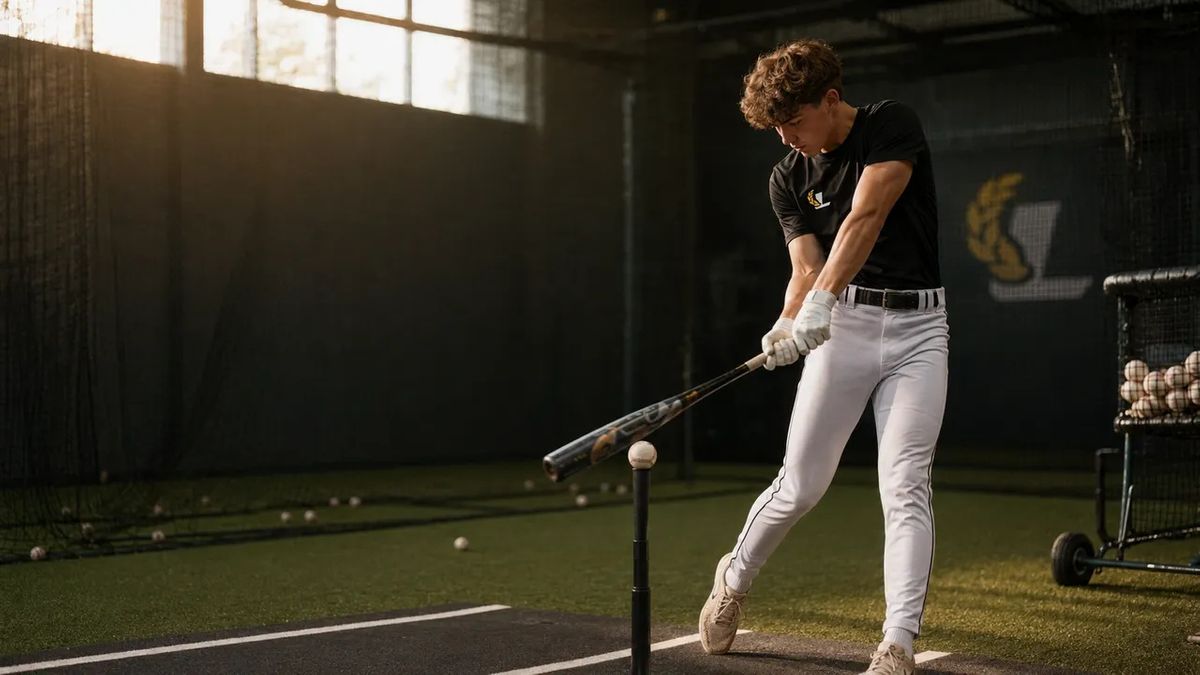
Part I established a simple truth: games reveal the player an athlete is today, but training builds the player they can become tomorrow. Now it is time to put that principle into practice.
A training-first season is not created simply by removing games from the schedule. It requires purposeful practices, measurable development goals, consistent feedback, and alignment between coaches, athletes, and parents. Without that structure, fewer games will not automatically produce better players.
The following five strategies will help baseball and softball programs in El Paso—and youth sports organizations everywhere—turn a training-first philosophy into meaningful athlete development this fall.
<strong>5 Actionable Strategies for a Training-First Approach This Season</strong>
Shifting focus from games to skill development requires more than just reducing game schedules—it demands intentional planning and mindset shifts from coaches and parents alike. With the fall season ahead, now is the ideal time to prioritize long-term growth over short-term results. These five proven strategies will help teams in El Paso and across youth sports leagues implement a training-first culture that builds better athletes and stronger programs.
Structure Practices Around Skill-Specific Blocks
Break each session into purposeful segments: start with dynamic warm-ups, move into mechanics drills (hitting, pitching, or fielding), then progress to situational play. Rotating weekly focuses—like power hitting one week and defensive reads the next—ensures balanced development and keeps athletes engaged. This methodical approach leads to deeper retention and measurable improvements over time.Set Weekly Development Goals (Not Just Wins)
Replace scoreboard obsession with skill milestones. Encourage athletes to track progress in areas like swing consistency, throw accuracy, or base-running decisions. Posting goals in visible areas at practice fields reinforces accountability and shifts motivation toward personal growth.Limit Game Exposure Early in the Season
Front-load training weeks before introducing competitive play. Starting with two to three practices per week and only one controlled scrimmage every 10–14 days allows athletes to internalize techniques without performance pressure. This model is especially effective in Southwest Texas leagues where summer heat can impact endurance.Engage Parents as Supporters, Not Sideline Coaches
Host a preseason orientation to align families on the training-first philosophy. Equip parents with talking points—like asking “What did you learn today?” instead of “Did you win?”—to foster positive post-practice conversations at home.Use Video for Immediate Feedback and Growth Tracking
Incorporate smartphone recordings during drills to show athletes real-time mechanics. Review side-by-side clips monthly to highlight progress, whether it’s improved stride efficiency or cleaner glove work. This builds self-awareness and trust in the training process.
<strong>Answers to Your Top Concerns About Shifting to Practice-First Training</strong>
Why reduce games and focus more on training during the fall season?
The fall is a prime development window when players can refine mechanics, build strength, and correct flaws without the pressure of a competitive win-loss record. Prioritizing practice over games allows athletes to experiment, make mistakes, and learn in a low-stakes environment—critical for long-term growth in baseball and softball.
Won’t fewer games mean less real-world experience?
While game experience is valuable, high-frequency competition without targeted skill development often reinforces bad habits. Purposeful, coach-led training sessions simulate in-game scenarios while emphasizing proper technique, decision-making, and mental reps—offering better transfer to actual performance.
How does increased practice time benefit younger athletes?
Young players thrive on repetition and structure. More training means consistent reinforcement of fundamentals like throwing mechanics, swing paths, and defensive positioning. In El Paso and similar Southwest Texas communities, programs that focus on skill blocks will see immediate results and will notice faster improvement in player confidence and on-field execution.
What if my athlete feels bored without weekly games?
Engagement comes from challenge, not just competition. Incorporating live at-bats, situational scrimmages, and timed drills keeps practice dynamic. Coaches can also set personal performance goals—like reducing swing time or improving stride efficiency—to maintain motivation.
Is this approach effective for travel ball or high-level players?
Absolutely. Elite athletes at all levels use off-season and fall months to rebuild and reprogram. Increased training volume with quality feedback helps correct flaws before they become ingrained, directly translating to stronger spring performance.
How can families track progress without game stats?
Focus on measurable benchmarks: improved bat exit velocity, faster throw times, cleaner fielding transitions, or enhanced pitch command. Coaches can provide feedback logs and video comparisons to show tangible growth over time.
Will this model prepare athletes for tryouts?
Yes—structured training builds the consistency scouts look for. A fall spent refining mechanics and conditioning ensures athletes enter tryout season sharper, stronger, and more confident.
<strong>Train With Purpose: The Long-Term Win</strong>
Shifting focus from frequent games to structured, intentional training this fall isn’t just a scheduling change—it’s a strategic investment in athlete development and team performance. Across youth baseball and softball programs, teams that prioritize skill-building over scoreboard results are seeing stronger mechanics, sharper decision-making, and better-in-season readiness. The real growth happens not in the final inning, but in the thousands of deliberate reps behind the scenes.
When athletes master fundamentals like swing consistency, defensive footwork, and mental toughness through targeted drills, they build a foundation that pays off when it matters most. Programs that balance volume with recovery, track progress over time, and create space for feedback foster resilience and long-term engagement. Whether you’re preparing for travel ball, high school tryouts, or regional tournaments, quality training builds confidence that no game-day victory can replicate.
To maximize this season’s development:
Replace redundant scrimmages with skill-specific stations
Incorporate video analysis to reinforce proper mechanics
Schedule active recovery and mobility work weekly
Set measurable goals for each athlete to track growth
The most successful athletes and teams don’t rely on talent alone—they trust the process. By commiting to it and focusing on training that’s intentional, progressive, and grounded in daily improvement, players can unlock their full potential. Start today: evaluate your schedule, prioritize purposeful practice, and make every rep count.
Every day. Every athlete. 1 percent better.