
<strong>Unlock Your Full Potential on the Field</strong>
Every great athlete starts with one truth: talent isn’t enough. In baseball and softball, long-term success is built through consistent, high-quality training that shapes not just skills, but mindset and durability. From Little League fields in El Paso to high school diamond showdowns across Texas, players who commit to smart development see measurable improvements in bat speed, pitching accuracy, and defensive precision. But too many young athletes plateau because their routines lack structure, progression, or proper technique.
This guide is designed to change that. You’ll learn how intentional, focused reps—backed by science-aligned principles—lead to real growth over time. We’ll break down foundational elements like skill acquisition, physical conditioning, mental toughness, and recovery strategies tailored specifically for baseball and softball athletes at any level. Discover how small, daily improvements compound into game-changing advantages when approached with purpose.
Whether you're refining your swing mechanics, building arm strength safely, or preparing for tryouts, the right training approach makes all the difference. The journey to elite performance begins with how you train today—not just how hard, but how smart. Let’s dive into the habits and systems that separate average players from standouts.
<strong>Master the Fundamentals: 4 Physical Skills Every Player Must Develop</strong>
To excel in baseball or softball, athletes must go beyond natural talent and focus on refining core physical skills that directly impact performance. Whether you're training in El Paso or preparing for travel ball across the region, consistency in these areas separates good players from great ones.
Hitting Mechanics: Power Starts with Precision
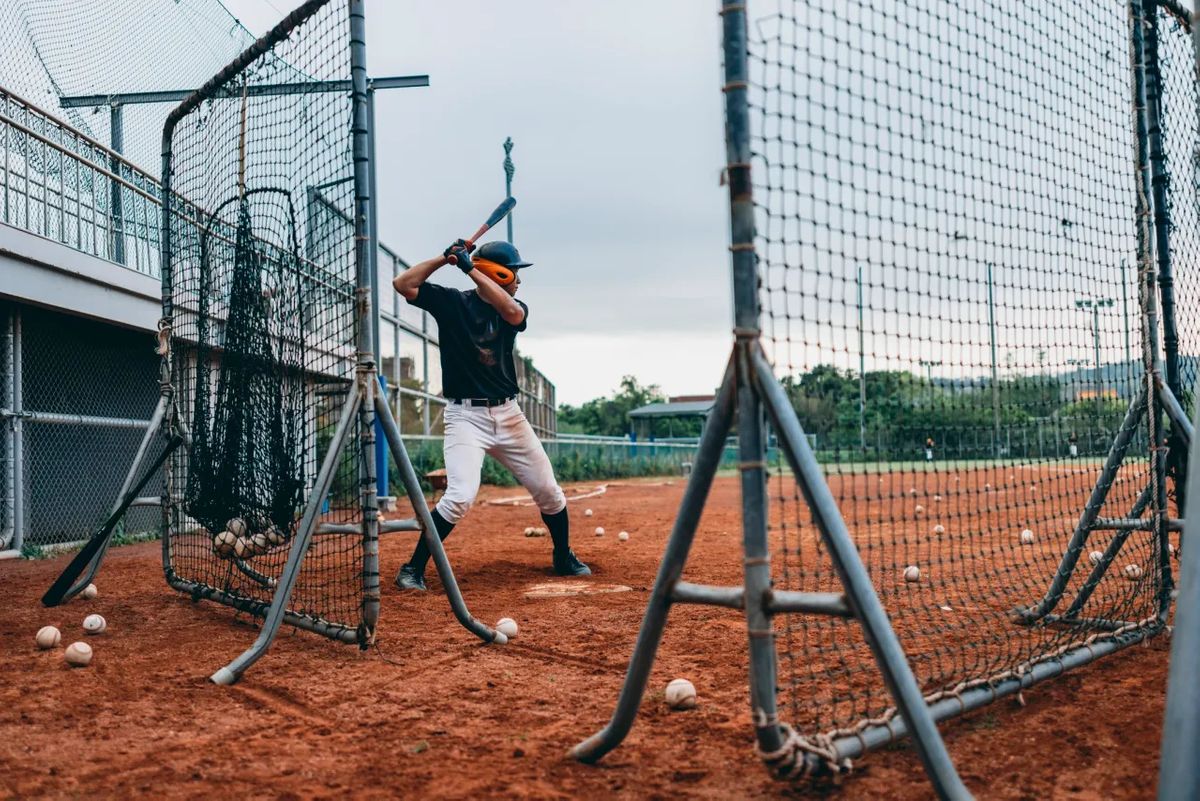
Effective hitting isn’t just about strength—it’s about timing, stance, and swing path. Focus on maintaining a balanced setup, with feet shoulder-width apart and knees slightly bent. Practice stride control to avoid lunging, and aim for a level swing plane to maximize contact. Incorporate tee work and soft toss drills into daily routines to reinforce muscle memory and adjust hand path for inside and outside pitches.Pitching Accuracy: Command the Zone with Confidence
Control over the strike zone begins with repeatable mechanics. Work on a consistent wind-up and stride, ensuring proper grip and finger placement for each pitch type. Build arm strength gradually with long-toss routines and focus on landing in the same spot with every delivery. Precision improves exponentially when mechanics stay consistent from bullpen sessions to game day.Fielding Fundamentals: Quick Hands, Quiet Eyes
Great infielders and outfielders rely on anticipation and clean hands. Practice two-bounce drills to sharpen reaction time and master the “soft glove” technique to deaden incoming balls. Stay low, keep your glove down, and move your feet early to position yourself optimally. In El Paso’s fast-paced leagues, reliable hands make all the difference in tight games.Base Running Techniques: Speed with Smarts
Aggressive yet intelligent base running creates pressure without risk. Work on explosive leads, read-pitch recognition, and efficient rounding of bases. Practice secondary leads and timing slides to avoid tags. In competitive Southwest Texas circuits, a fraction of a second saved per turn can turn a single into a double.
<strong>Master Your Mind: Mental Toughness on the Field</strong>
Elite performance isn’t just built in the weight room or on the practice field—it’s forged in the mind. For athletes in El Paso and beyond, mental conditioning is the hidden edge that separates good from great. Developing focus, resilience, confidence, and the ability to thrive under pressure transforms how players respond during high-stakes moments, whether it’s a full-count pitch or a game-winning steal.
Start by sharpening your focus through pre-performance routines. These consistent actions—like a deep breath or a specific grip adjustment—signal your brain it’s time to lock in. Resilience grows when athletes reframe mistakes as learning reps, not failures. This mindset shift is critical, especially in youth baseball and softball, where development is ongoing. Confidence comes not from outcome-based results, but from disciplined preparation and trusting your training.
Handling pressure effectively requires mental rehearsal. Visualize challenging scenarios—bases loaded, two outs—and run through your ideal response mentally before the moment arrives. This builds neural pathways that make execution feel familiar. Incorporate mindfulness techniques, even just 5 minutes daily, to improve emotional regulation and present-moment awareness.
These tools aren’t reserved for pros. Local teams and individual athletes in Texas and throughout the Southwest are adopting mental skills training as a core part of development. The result? Calmer nerves, sharper decisions, and consistent play when it matters most.
<strong>Build Smarter Athletes with Precision Coaching and Feedback</strong>
Developing well-rounded athletes starts with a structured, intentional approach to coaching and training that prioritizes growth over shortcuts. Follow these steps to maximize athlete development through purposeful practice and personalized feedback.
Design Skill-Specific Training Blocks
Break down practices into focused segments targeting mechanics, game strategy, and mental conditioning. Rotate weekly priorities to balance skill development and avoid overtraining. In El Paso, where youth sports thrive, aligning drills with regional competition styles helps athletes adapt faster.Assess Individual Baselines Early
Use on-field evaluations to measure agility, strength, swing velocity, and decision-making. Track progress monthly to spot trends and adjust programs. This ensures no athlete gets lost in the shuffle, especially in group settings.Deliver Immediate, Actionable Feedback
After each rep or drill, offer concise corrections—focus on one cue at a time. For example, “drive through the back heel” is more effective than “improve mechanics.” Video review sessions reinforce these signals.Incorporate Peer Coaching and Self-Reflection
Encourage athletes to analyze their own performances using guided journals. Pairing players for mutual feedback builds accountability and communication.Adjust Based on Recovery and Performance Data
Monitor fatigue through check-ins and adjust volume. Smart programming prevents burnout and sustains long-term improvement.
Consistent implementation turns good programs into transformative athlete experiences.
<strong>Your Top Youth Sports Training Questions—Answered</strong>
When should my child start formal sports training?
Most athletes benefit from structured skill development between ages 6 and 9, when motor coordination and focus begin to stabilize. Early exposure to fundamental movements—like throwing, catching, and running mechanics—supports long-term athleticism. In El Paso, many programs introduce age-appropriate drills that emphasize fun and repetition to build confidence and competence.
How often should young athletes train each week?
Consistency matters more than volume. For athletes ages 8–14, 3 to 4 focused sessions per week—each 60 to 90 minutes—strike the right balance between skill acquisition and recovery. Overtraining at this stage can lead to burnout or overuse injuries, especially in overhead sports like baseball and softball.
What’s the best way to track skill progression?
Use a mix of objective benchmarks (e.g., increased throwing velocity, improved bat exit speed) and observable behaviors (better fielding mechanics, quicker decision-making). Coaches often use video analysis and performance logs to highlight growth over time, helping athletes stay motivated.
Should my child specialize in one sport early?
Early specialization increases injury risk and limits athletic development. Multi-sport participation through high school builds diverse motor skills and mental resilience. Athletes in Texas who play multiple sports often peak later with more sustainable success.
How important is recovery for young athletes?
Recovery is a core part of training. Prioritize sleep, hydration, and active rest. Incorporate mobility work and scheduled off-days to support tissue repair and mental refreshment, especially during competitive seasons.
What role do parents play in long-term development?
Supportive involvement—attending practices, encouraging effort over outcome, and promoting open communication with coaches—creates a positive environment. Your encouragement helps build mental toughness and a lifelong love for the game.
<strong>The Road to Excellence: Every Rep Counts</strong>
True athletic growth in baseball and softball doesn’t happen in isolated moments—it’s built through consistent discipline, intentional practice, and an unwavering commitment to continuous improvement. Mastery isn’t defined by perfection, but by the daily choice to show up, focus on fundamentals, and push just a little harder than yesterday. Whether you're refining your swing mechanics, increasing pitching velocity, or improving defensive footwork, progress compounds when effort meets purpose.
To keep moving forward, athletes should:
Set specific, measurable weekly goals to track development
Review performance footage regularly to identify technical adjustments
Prioritize recovery with proper sleep, nutrition, and mobility work
Seek feedback from coaches and peers to stay accountable
In El Paso and beyond, the journey to elite performance is the same: trust the process, embrace the grind, and celebrate small wins. Growth happens not in grand gestures, but in the quality of each repetition. Stay consistent, stay coachable, and remember—excellence isn’t a destination; it’s a mindset. Keep showing up, keep learning, and let every rep bring you one step closer to your potential.